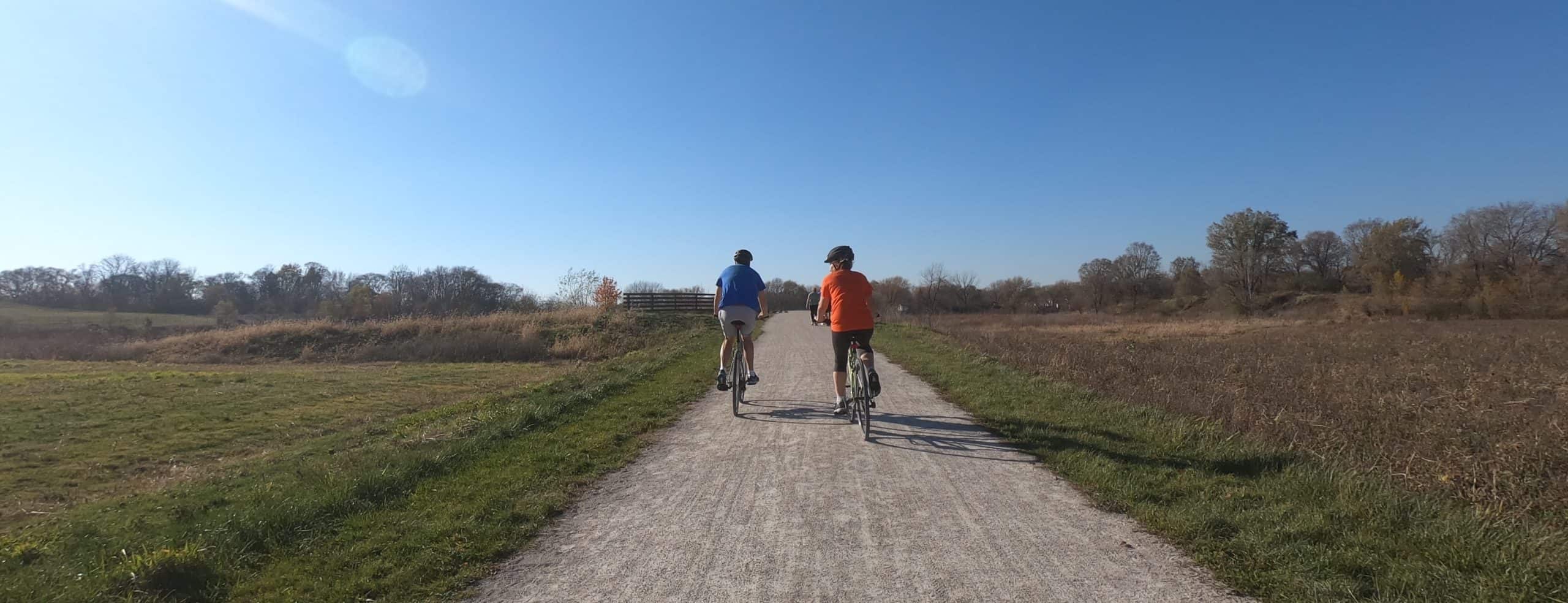
Think riding a bike is … just like riding a bike? If you want to get any bit of serious about it, or just do it regularly, there are loads of lessons and skills. Part of the fun of this hobby is learning them and experimenting with them over time. You can get as sophisticated as you’d like — and we’re not even talking about racing.
Here’s a compilation of advice for starting out that I’ve picked up over the years.
What kind of bike?
There are several kinds. The basics are:
- Road bikes: Thin tires (but the trend now is to get less thin), light, the curly handlebars (“drops”), leaning forward, meant for pavement.
- Hybrid bikes: Still thin bikes typically with knobbier tires to handle pavement, gravel or dirt. Usually sitting more upright.
- Mountain bikes: Thick knobby tires, wide handlebars, tires farther apart, often shocks, can be heavy or light.
- Gravel bikes: Basically road bikes with knobby tires and other design tweaks to handle … gravel trails and roads. Very trendy now.
- Other, more casual bikes like cruisers: Sitting very upright, maybe with fenders and a chain guard, heavier, meant for casual clothes, getting around town.
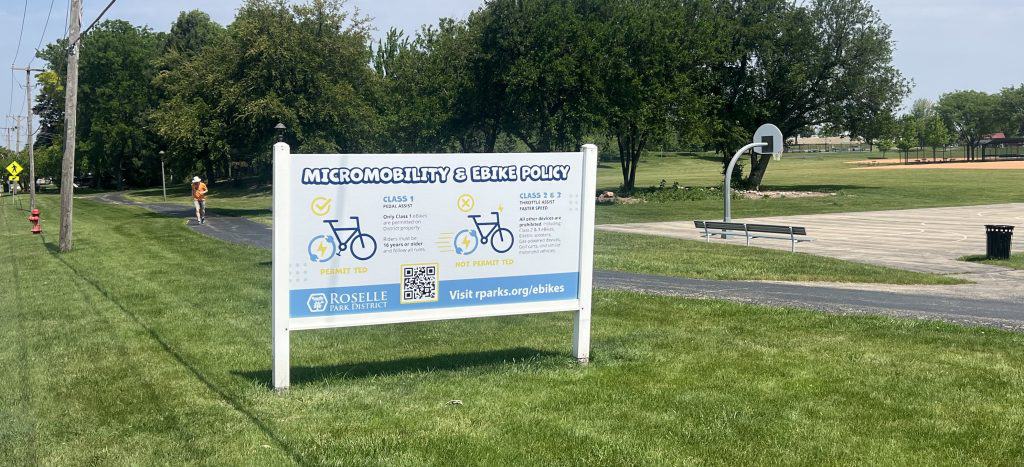
- And e-bikes, with power-assisted pedaling (or just a throttle): Usually with upright seating and heavy, but really they come in many styles. They may be restricted on trails.
Your choice depends on the kind of riding you want to do. Hybrid bikes are good catch-all for beginners.
How much to spend and where?
Again, what you should spend depends on how much riding you’ll want to do. The more miles and higher the riding frequency, the sturdier the bike you want. But you certainly should buy it from a bike shop; our suburbs have many great ones. In a shop, all the bikes are quality no matter the brand (unlike big-box store models), and you’ll nearly always get great help with fitting and even choosing. Expect to spend at least a few hundred dollars, and of course you could spend thousands.
Fitting your bike
The first basic rule is get the seat high enough so that your legs are slightly bent, like 15 degrees, when the pedal’s at the bottom of the rotation. This could seem high at first, but you don’t want your legs too scrunched, nor too straight. There are many more parameters to figure out — how far you lean over and arms extend, for one — and again, that’s where a bike shop comes in. Some bike shops in our suburbs take fitting very seriously, with actual certified bike fitters.
Gears
Most bikes have gears, and that’s good; you shouldn’t be afraid to use them. They help keep your pedaling cadence consistent and as easy or difficult as you’d like (you don’t want to push too hard). Different bikes come with different designs for the shifters on your handlebars. But the shifter on the left is for the gears up front (the “chainrings,” if you have more than one); that’ll be a larger change in pedaling cadence, usually reserved for hills. In most of the flat suburban landscape, you should shift on the ride side first. You could have 8, 9, 10, 11, even 12 gears in the back (the “cassette”), for more refined shifting. Seriously, don’t be afraid to shift that side even multiple times a minute.
Pedals, “clipless”?
Should you get the kind of pedals where your feet are attached to them? This trend started with cages or “clips” on the pedals that you stuck your feet in. Now the more popular option is “clipless”; no more cages, hence “clipless,” and your feet click into the pedals via cleats on bike shoes. (Oh yes, there are shoes designed specifically for bicycling, with velcro instead of shoelaces that could get caught in the gears.) So do you need clipless pedals? Many riders are scared of them at first — what if you can’t unclip? Yes, that happens, most often when you’re going slow, so you’d have a gentle fall. But you learn how to work them in time. They do help make your pedaling efficient, but still, you should feel no rush to get these until you get pretty serious.
By the way
It’s “pedaling,” not “peddling.” Homonym trouble that this editor sees a lot.
Kickstand?
Many people don’t get why more advanced bicycles and bicyclists don’t have a kickstand. It’s because they could get in the way of the pedaling or other movement on more compact bicycles like road racing bikes, and other lofty reasons like they add weight (yes, some cyclists count every gram). Riders then lean their bikes against things or even lay them down (don’t put ’em down on the derailleur/gear side!). But if you don’t want to do that, by all means, have a kickstand. They typically come with entry-level bikes.
Cushy saddle?
Let’s establish right now that when you’re starting out, almost certainly your butt will hurt. It might hurt even at the beginning of each riding season. Over time, your butt adapts. But finding the right saddle (that’s the seat) definitely helps. Unfortunately, everyone is different, so it can take some trial and error to figure out your style and brand. Bike shops know this and will help. Many think the cushier the saddle, the better. The more you ride, typically the less this is true — because more friction creates more sores. But again, it’s up to you in the end. There are also cushions to wrap over existing saddles.
Padded shorts
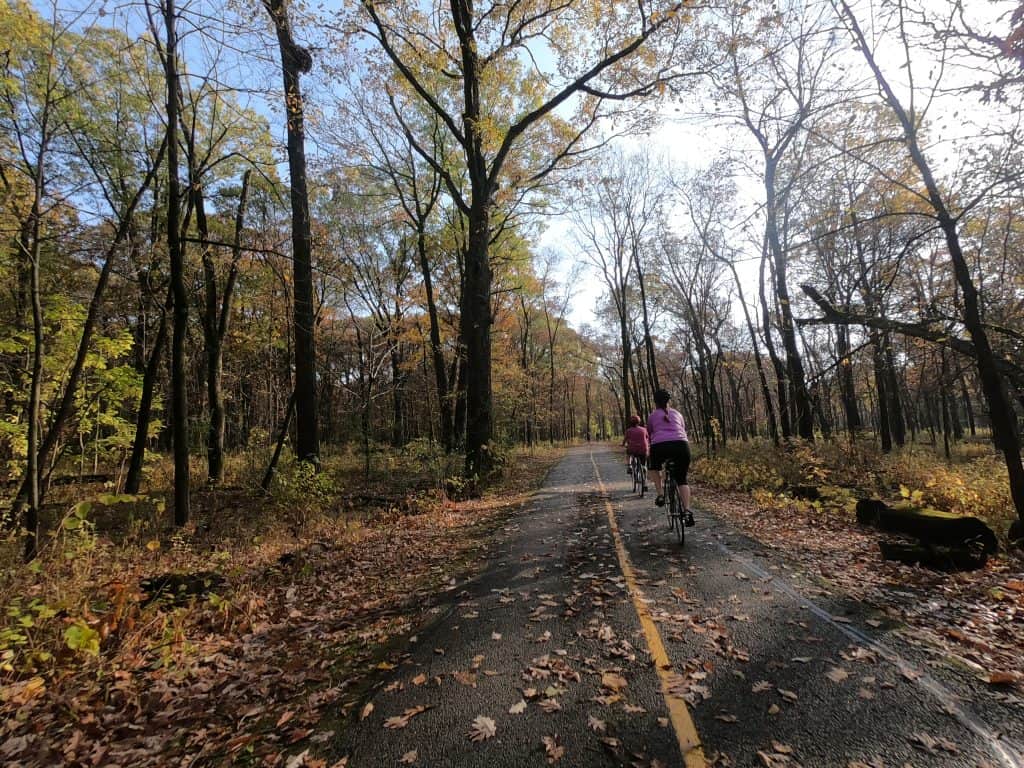
The more you ride, the more that padded shorts are highly recommended, even more than a cushy saddle. They won’t solve everything and it may again require trial and error, but your butt will thank you. They’re essential for serious cyclists. There are half-leg shorts (knickers) and full-leg padded pants, too.
Yes, go commando
Yes, if you have padded shorts, I’m saying … go commando. Absolutely. Again, more friction creates more sores, so you don’t need layers of clothing crammed and rubbing down there. Really. It’s OK. If you’re feeling modest, you can wear looser shorts over the bike shorts. Or there are styles of bike shorts that look like typical loose shorts, even with pockets, that have the padding inside.
Pre-treat, um, underneath
In addition to padding, there are a variety of ointments, creams and balms to apply to your undercarriage to ease clothing friction and try to prevent “saddle sores.”
Moisture-wicking clothes
For the tops, clothes that wick moisture off your body are highly recommended, even in chilly weather. It’s essential in the summer, when you won’t want a heavy, wet cotton T-shirt on you. You don’t want sweaty clothes under your layers when it’s cold out, either; you’ll feel it. Real bike jerseys, usually with three pockets in the back (because you’re often leaning forward, you see; stuff would fall out the front) are nearly always wicking. They come loose or race-tight, tons of options. But you can wear wicking T-shirts like runners and other athletes do, too.
Helmet
I hope this goes without saying, but a helmet is a good idea. All it takes is one fall, even at a slow speed, where you hit your head on the ground, and you could be seriously injured.
Hydration
Nutrition advice for bicyclists abounds. I’ll say only that hydration if your first concern. Carry a water bottle and better yet a bottle of an electrolyte drink (yes, ideally two bottles) especially in the summer.
Shave your legs?
If you’re not already shaving your legs, does becoming a serious cyclist mean you must do so? Nah, that’s totally up to you. The racers do it primarily because of falling and road rash — you don’t want to deal with scrapes and bandages on hairy legs, right? Vanity also plays a part, as well as, maybe, in the smallest way, wind resistance. This probably won’t be a big issue you face. Here’s the TMI on why I do it, if not perfectly like the pros: I find applying sunscreen less gross, and especially in the summer and early fall, bugs get caught in hair. OK, moving on …
Ride on the sidewalks?
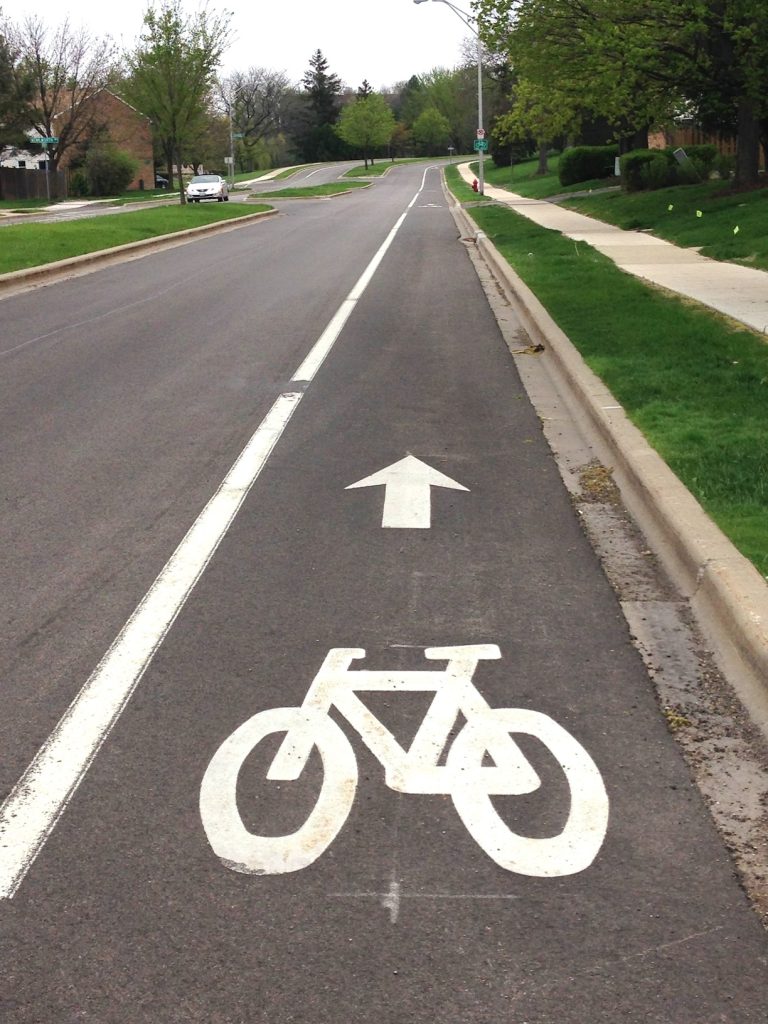
If you get more serious and start riding on roads, someday someone will yell at you to “get on the sidewalk!” But generally speaking, no, you shouldn’t — because people walk on the sidewalk. But there are a ton of exceptions. In a lot of our suburbs, the sidewalk is the town’s prescribed bike route. Schaumburg, known for its bike lanes and paths, still calls many sidewalks a bike route, like on Springinsguth Road or Walnut Lane — though some sidewalks are wider than others. Some bike routes are actual asphalt paths where sidewalks would be, and those make more sense to ride on.
Clearly in some places riding on the road is dangerous, like Golf Road in Schaumburg or County Farm Road in DuPage County, so the sidewalk is the only choice. Also, if you’re taking your young kids slowly around your neighborhood and on your block, you may prefer the sidewalks; people will (or should) get that. In some quieter neighborhoods or subdivisions, you might find the streets safe enough.
But most of the time, you shouldn’t ride on sidewalks in suburban downtowns. Overall, the best thing to do is to find designated bike routes. Some suburbs do this better than others. It’s a problem many, many people are working on. Bike maps outlining the successes abound (see the resources to the right).
And remember on the roads, traffic rules apply to bicyclists. Plus, when you come upon a driver, such as coming down a driveway, make eye contact with the driver before you proceed to ensure they see you and stop.
Start slow and have fun
There are no rules on far you must go, how fast you must go, how tired you must become. Just ride. Do what you like. If you’re doing it for fitness, over time, do a little more, but don’t add on too much at once. Your body will adapt soon enough; it’s pretty amazing really. Bicycling is pleasant and often thrilling; remember to enjoy it. And there’s plenty more help for you here, all around the suburbs and all over the internet.
• Do you find information like this valuable? This free website is made possible almost entirely by readers like you. Consider donating to help defray the costs of gathering and presenting this material.
Great post. I’m not a beginner, but I still learned/was reminded of some important points.